If you’re always the smartest person in the room, it might feel good in the moment. In my experience, it’s usually a sign that you’re not growing very much.
At one point, I took a few pre-med courses at UC Davis. I chose it because I knew it would be easier than Dartmouth. And it was. Almost comically easy.
There wasn’t much higher-level thinking required. Very little application. I could do the work, get the grade, and move on without really engaging my brain. And instead of feeling relieved, I felt unsettled. Then frustrated. Eventually, kind of disappointed in myself.
Not because there was anything wrong with the school. The issue was that I knew exactly why I was there. I had chosen comfort over challenge, and I could feel myself quietly shrinking to fit the environment.
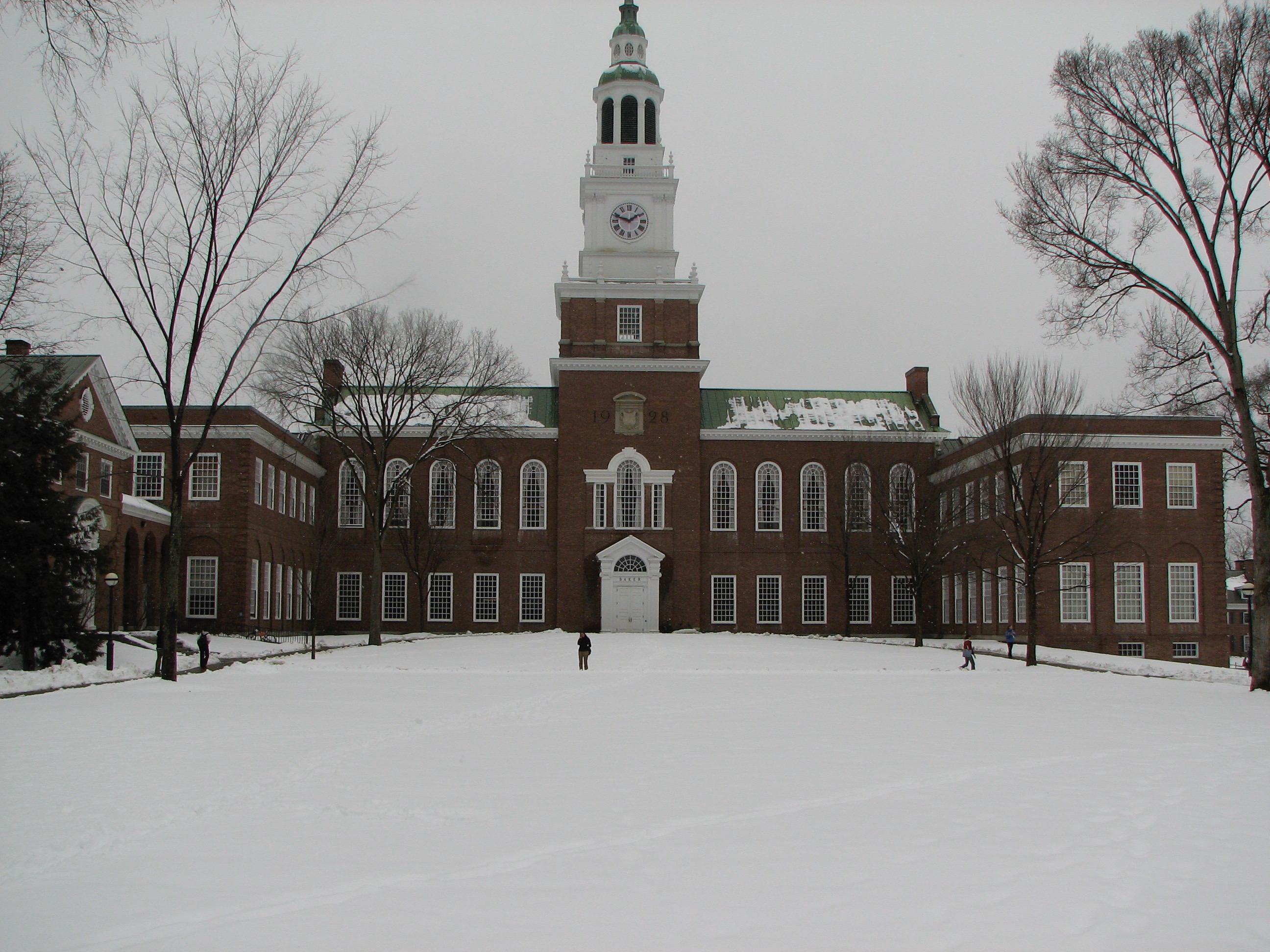
Dartmouth had been the opposite. It forced me to think, to apply ideas, to admit when I didn’t understand something. I was regularly the dumbest person in the room. It wasn’t fun, but it was formative. It demanded more of me, and over time, I rose to meet it.
So I went back. Not to prove a point, and not because I enjoy making things harder than they need to be, but because I had learned something about how I actually grow. When I’m not challenged, I don’t just stall out. I lose a bit of self-respect.
One thing I’ve learned since then is that easy environments are sneaky. They reward you just enough to keep you comfortable, but not enough to make you better. Harder rooms do the opposite. They humble you, stretch you, and quietly change the way you think.
Looking back, the seasons that shaped me most were the ones where I willingly put myself in rooms where I had more questions than answers.





.jpg)
.jpg)
.jpg)
.png)
.png)
.png)

.png)


.png)
.png)




.png)


.png)

.png)
.png)










.png)
.png)

.png)

.jpeg)
.jpeg)
.jpeg)
.png)




.png)
.png)
.png)



.png)
.png)
.png)
.png)
.png)
.png)
.png)
.png)
.png)
.png)



.png)
.png)














.jpg)
.jpg)
.jpg)